


Heartworm disease is a serious and potentially life‑threatening condition that affects dogs across the United States and many parts of the world—but with the right care and prevention, it’s something we can protect your dog from together. The good news is that heartworms are largely preventable with proper care, consistency, and guidance from your veterinary team. This article explains what heartworms are, how dogs get them, and the best ways to protect your dog.
A Note From Our Doctors
At Peak City Veterinary Hospital, we have the privilege of caring for your pets through every stage of life. Heartworm disease is one condition we are especially passionate about preventing, because we’ve seen firsthand how easily it can be avoided—and how difficult it can be for dogs and families when it’s not.
Our goal is to partner with you to keep your dog healthy, comfortable, and protected. If you ever have questions about heartworm prevention, testing, or which option is best for your dog, please don’t hesitate to ask. We’re always happy to help and to be part of your pet’s care team.
With care,
The Doctors and Team at Peak City Veterinary Hospital
What Are Heartworms?
Heartworms (Dirofilaria immitis) are long, spaghetti-like parasites that live in a dog’s heart, lungs, and associated blood vessels. Over time, these worms cause severe damage to the heart and lungs, leading to heart failure and other serious complications if left untreated.
Adult heartworms can grow up to 12 inches long, and a single dog can harbor dozens of worms.
How Do Dogs Get Heartworms?
Heartworms are transmitted through the bite of an infected mosquito. The process works like this:
- A mosquito bites an infected dog and picks up microscopic heartworm larvae.
- The larvae mature inside the mosquito over about two weeks.
- When the mosquito bites another dog, the larvae enter through the bite wound.
- Over the next 6–7 months, the larvae mature into adult worms living in the heart and lungs.
Because mosquitoes are widespread, any dog—indoor or outdoor—can be at risk, even those who spend most of their time inside with their families.
Signs and Symptoms of Heartworm Disease
In the early stages, many dogs show few or no symptoms. As the disease progresses, symptoms may include:
- Persistent coughing
- Fatigue after mild exercise
- Decreased appetite
- Weight loss
- Difficulty breathing
- Swollen belly due to fluid buildup
Advanced heartworm disease can lead to heart failure, lung disease, and sudden collapse.
Why Heartworm Disease Is So Dangerous
Heartworm disease is especially concerning not only because of the damage caused by adult worms, but also because treatment itself can be stressful and risky for dogs. Treating heartworms requires strict activity restriction and multiple injections, and complications can occur when dying worms block blood vessels.
Prevention is safer, easier, and far less expensive than treatment.
Heartworm Prevention: The Best Protection
Monthly Preventive Medications You Can Feel Good About
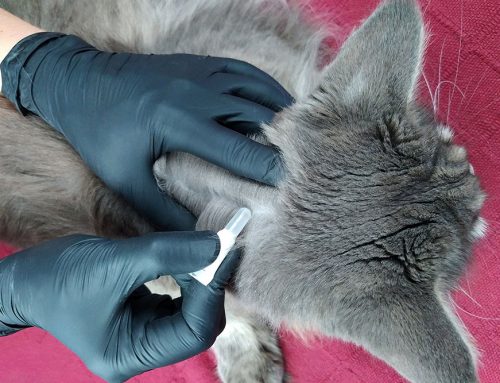
Heartworm prevention typically comes in monthly chewable tablets, topical treatments, or long-acting injections prescribed by your veterinarian. These medications work by killing immature heartworms before they can grow into adults.
When given consistently, heartworm preventives are over 99% effective, giving you peace of mind and helping your dog stay healthy and active.
Annual Heartworm Testing
Even dogs on prevention should be tested once a year. Testing ensures that:
- The preventive medication is working
- Any missed doses are caught early
- Treatment can begin before serious damage occurs
Year-Round Protection
Veterinarians recommend giving heartworm prevention year-round, even in colder climates. Mosquitoes can survive indoors, and missing doses increases risk.
Can Puppies Get Heartworms?
Yes. Puppies can start heartworm prevention as early as 6–8 weeks of age. Early prevention protects them before exposure occurs and helps establish a healthy routine.
Heartworms and Other Pets
While this article focuses on dogs, heartworms can also affect cats and ferrets. Cats are more resistant but can still develop severe respiratory disease from heartworms. Always ask your veterinarian about prevention options for all pets in your household.

Our Final Thoughts
Heartworm disease is a serious but preventable condition. With regular veterinary care, annual testing, and consistent preventive medication, you can protect your dog from unnecessary suffering and life threatening illness.
If you have questions about heartworm prevention or want to make sure your pet is protected, contact your veterinarian to discuss the best plan for your dog’s lifestyle and health needs.
Prevention today means a healthier, happier future for your dog.
How Peak City Veterinary Hospital Can Help
At Peak City Veterinary Hospital, we know your dog is more than a pet—they’re family. We’re committed to protecting them from heartworm disease through comprehensive, compassionate care you can trust. Our team provides:
- Annual heartworm testing
- Personalized prevention plans based on your dog’s lifestyle
- Safe, effective heartworm preventive medications
- Ongoing education and reminders to help you stay on track
If you have questions about heartworm prevention or need to start or refill your dog’s preventive medication, we’re here to help.
Give us a call at Peak City Veterinary Hospital to schedule an appointment—we’d love to partner with you to keep your dog protected, healthy, and happy all year long.






Leave A Comment