

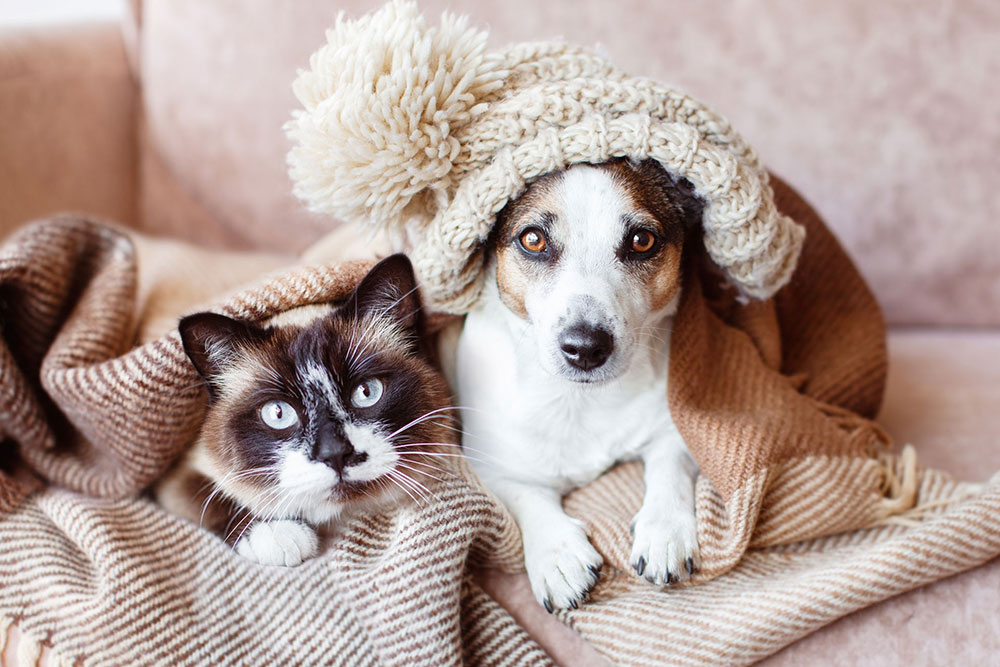
Winter can be a cozy and fun season, but colder temperatures also bring unique risks for our pets— especially here in central North Carolina, where winter weather can change quickly from mild days to sudden cold snaps, rain, ice, and occasional snow. Dogs and cats can be affected by cold weather, icy conditions, and household hazards more easily than many people realize. With a few simple precautions, you can help keep your pets safe, comfortable, and healthy all winter long.
A Note From Our Doctors
At Peak City Veterinary Hospital, we love seeing pets enjoy every season—but we also see preventable winter-related injuries and illnesses each year. Cold weather affects pets differently based on their age, size, coat type, and health conditions.
Our goal is to help you recognize potential winter hazards and take small steps that make a big difference in keeping your pets safe and comfortable through the colder months.
With care,
The Doctors and Team at Peak City Veterinary Hospital
Cold Weather and Your Pet in Our Area
Not all dogs and cats are built for cold temperatures. In our local area, fluctuating winter conditions—cold mornings, wet afternoons, and icy nights—can be especially challenging for pets to adjust to. Puppies, kittens, senior pets, and those with chronic illnesses are especially vulnerable. Even healthy adult pets can become too cold, particularly during wet, windy, or icy conditions.
Signs your pet may be too cold include:
- Shivering or trembling
- Reluctance to walk or go outside
- Lifting paws off the ground
- Whining or anxiety
- Seeking warm places or curling up tightly
If you notice these signs, it’s time to head indoors and warm up.
A Common NC Winter Myth
“It doesn’t really get cold here, so my pet doesn’t need special winter care.”
While North Carolina winters are often milder than in northern states, sudden cold snaps, cold rain, icy roads, and windy days are common. These conditions can be just as uncomfortable—and sometimes more dangerous—than steady cold. Pets can become chilled quickly when they’re wet, exposed to wind, or walking on icy surfaces. Consistent winter precautions help protect pets even during short periods of cold weather.
Winter Safety Tips for Dogs
Limit Time Outdoors
Keep outdoor trips brief during cold weather, especially on very cold or windy days. Dogs with short coats or small body size may benefit from a well-fitted sweater or jacket.
Protect Paws From Ice, Salt, and Cold Rain
Ice, snow, cold rain, and road salt can irritate paw pads. Even when snow is rare, ice melt products and damp conditions are common in our area and can still cause discomfort or injury. After walks:
- Wipe paws with a warm, damp cloth
- Check for cracks, redness, or ice buildup
- Consider pet-safe booties or paw balm
Never allow dogs to walk on heavily salted or chemically treated surfaces when possible.
Watch for Antifreeze
Antifreeze is extremely toxic and has a sweet taste that attracts pets. Even small amounts can be fatal. Clean up spills immediately and keep containers tightly sealed and out of reach.
Winter Safety Tips for Cats
Keep Cats Indoors
Cold temperatures pose serious risks to cats, including hypothermia and frostbite. Indoor cats are safest inside during winter, and outdoor cats should have access to warm, dry shelter.
Check Warm Spaces
Cats often seek warmth by climbing into car engines or under hoods. Before starting your car, tap on the hood or honk the horn to help prevent accidental injuries.
Avoid Space Heater Hazards
Curious cats may get too close to space heaters, fireplaces, or heating vents. Always supervise and ensure cords and hot surfaces are safely blocked.
Winter Nutrition and Hydration
Pets may burn more calories in cold weather, especially dogs that spend time outdoors. Make sure your pet:
- Has access to fresh, unfrozen water at all times
- Is eating an appropriate diet for their activity level
- Maintains a healthy body weight
If you’re unsure whether your pet needs a dietary adjustment, your veterinarian can help.
Winter Health Care Reminders for Local Pets
Winter is a great time to stay on track with preventive care—especially since parasites, mosquitoes, and fleas can remain active during milder winter days in our region:
- Continue heartworm and parasite prevention year-round
- Keep vaccinations up to date
- Monitor senior pets closely for arthritis or mobility changes
- Schedule wellness exams to address concerns early
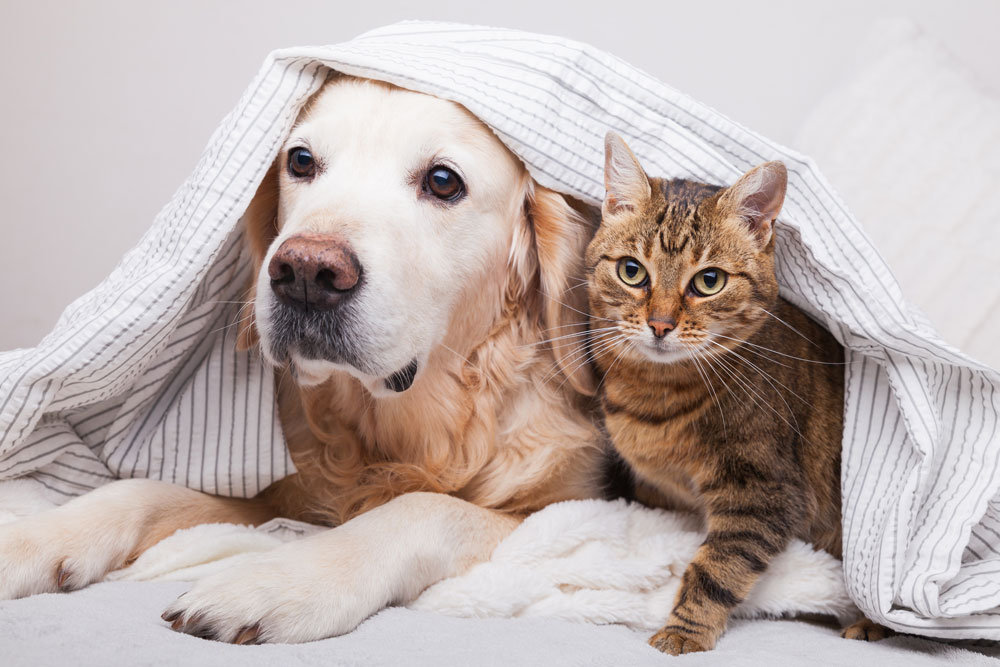
How Peak City Veterinary Hospital Can Help
At Peak City Veterinary Hospital, we’re here to support your pets through every season. Our team offers:
- Wellness exams for dogs and cats of all ages
- Guidance on cold-weather safety and nutrition
- Arthritis management and mobility support
- Preventive care tailored to your pet’s lifestyle
We’re always happy to answer questions and help you prepare for the winter months.
Our Final Thoughts
Winter can be a wonderful time to enjoy cozy moments with your pets—but safety always comes first. With awareness, preparation, and regular veterinary care, you can help your dog or cat stay warm, comfortable, and healthy all season long.
Give us a call at Peak City Veterinary Hospital to schedule an appointment or to talk with our team about winter safety tips tailored to your pet. We’re proud to partner with you in keeping your pets safe year- round.




Leave A Comment