
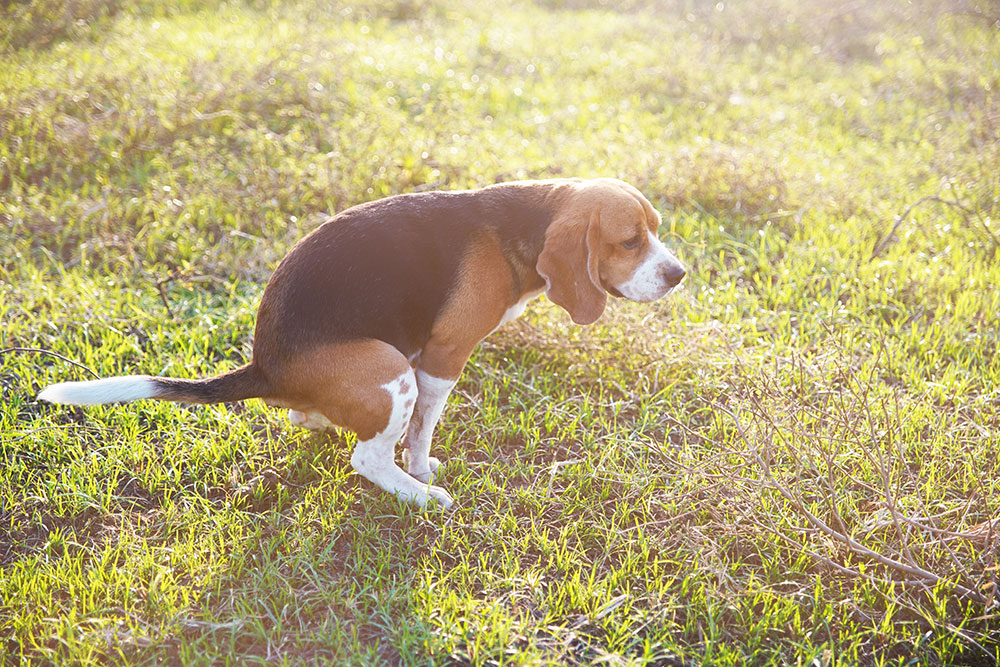

Diarrhea is one of the most common reasons dog owners reach out to their veterinarian. While a single loose stool may not be serious, ongoing or severe diarrhea can quickly lead to dehydration and may signal an underlying health problem.
Knowing what might cause diarrhea—and when it’s time to seek veterinary care—can help keep your dog safe and comfortable.
A Note From Our Doctors
At Peak City Veterinary Hospital, we understand how stressful it can be when your dog has diarrhea, especially if it happens suddenly or repeatedly. Some cases are mild and resolve quickly, while others need prompt medical attention.
Our goal is to help you recognize warning signs early and to guide you toward the best care for your dog. With care,
The Doctors and Team at Peak City Veterinary Hospital
Common Causes of Diarrhea in Dogs
Diarrhea can occur for many reasons, including:
- Dietary indiscretion (getting into trash or table food)
- Sudden diet changes
- Food intolerance or allergy
- Stress or anxiety
- Parasites (such as roundworms or giardia)
- Bacterial or viral infections
- Pancreatitis
- Toxins or foreign body ingestion
- Chronic conditions such as inflammatory bowel disease Puppies and senior dogs are often at higher risk for complications.
What Does the Diarrhea Look Like?
The appearance of your dog’s stool can provide helpful clues:
- Soft but formed stool: Mild irritation
- Watery diarrhea: Possible infection or dietary upset
- Mucus in stool: Colon irritation or stress-related diarrhea
- Blood in stool: Can range from mild irritation to a medical emergency
- Black or tarry stool: Indicates digested blood and requires immediate veterinary care
If possible, note the color, consistency, and frequency to share with your veterinarian.
When Should I Be Concerned?
Contact your veterinarian if your dog:
- Has diarrhea lasting more than 24 hours
- Has repeated or worsening diarrhea
- Appears lethargic or painful
- Is vomiting along with diarrhea
- Has blood or black stool
- Is a puppy, senior, or has a chronic condition
Signs of dehydration or abdominal pain should be treated as urgent.
How Diarrhea Is Diagnosed
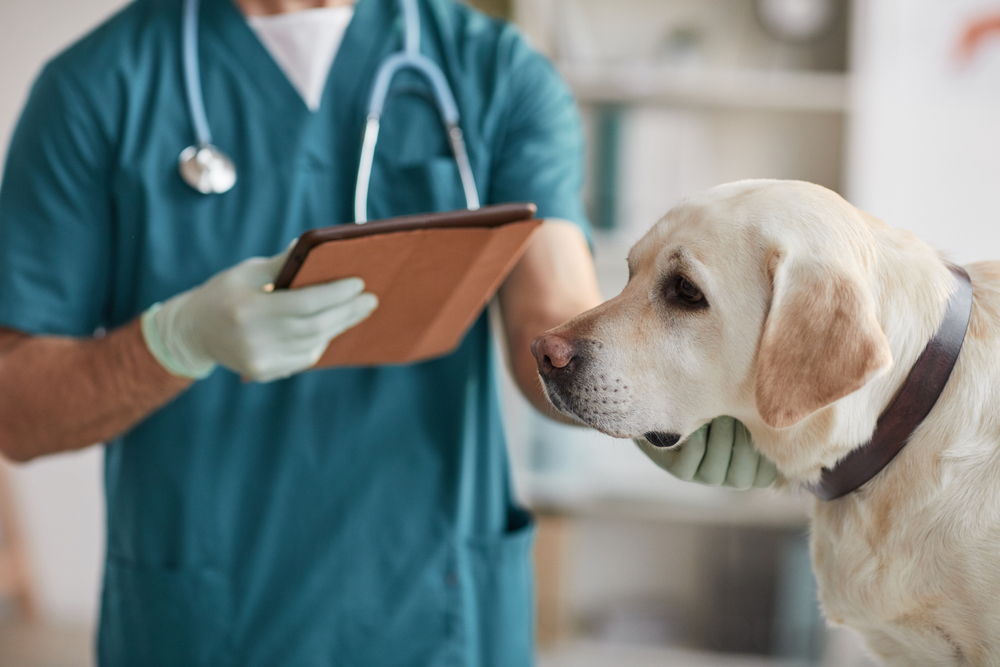
At Peak City Veterinary Hospital, diagnosing diarrhea may include:
- A physical exam
- Fecal testing for parasites
- Bloodwork to assess hydration and organ function
- Imaging if a foreign body is suspected
- Diet review and history
- Identifying the cause helps us choose the safest and most effective treatment.
How Peak City Veterinary Hospital Can Help
Our team offers compassionate care for dogs with diarrhea, including:
- Same-day evaluations when needed
- Diagnostic testing
- Medications and supportive care
- Dietary guidance and prescription diets
We’ll work with you to get your dog feeling better as quickly as possible.
Our Final Thoughts
While occasional diarrhea may not be serious, persistent or severe diarrhea should never be ignored. Early evaluation can prevent dehydration and more serious complications.
Give us a call at Peak City Veterinary Hospital if your dog is experiencing diarrhea or if you’re unsure whether symptoms require care. We’re here to help keep your dog healthy and comfortable.