

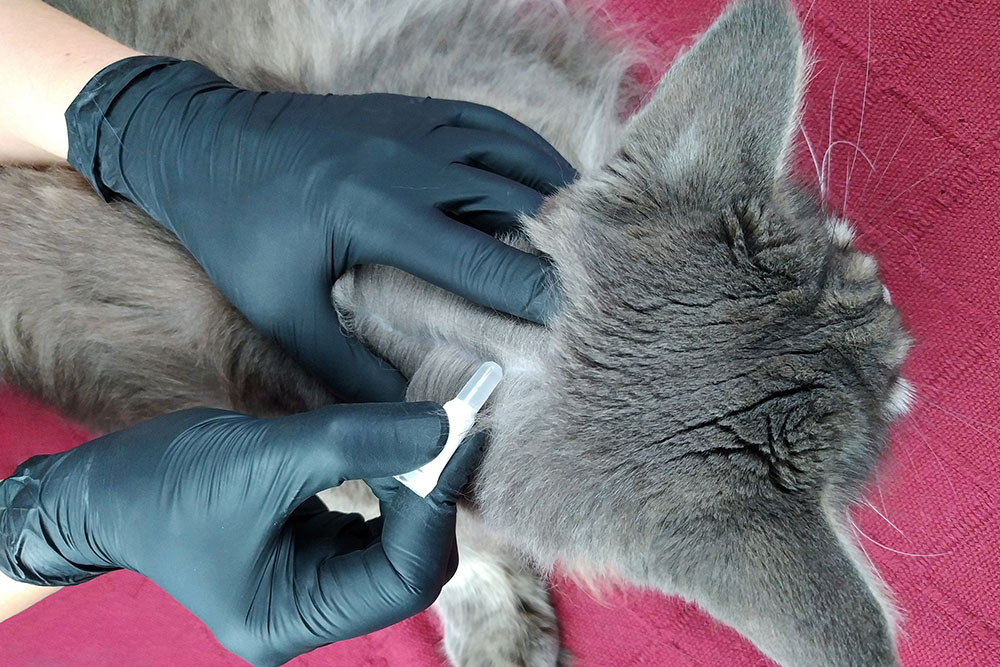
Fleas and ticks aren’t just a nuisance—they can cause serious health problems for pets and people. Many pet parents assume parasites are only a summer issue, but in North Carolina, fleas and ticks can remain active year‑round.
Consistent prevention is the best way to keep your pet protected.
A Note From Our Doctors
At Peak City Veterinary Hospital, parasite prevention is a cornerstone of preventive care. We regularly see pets suffering from skin infections, anemia, and tick‑borne diseases that could have been prevented.
Our goal is to help you understand why year‑round protection matters and how to choose the safest, most effective option for your pet.
With care,
The Doctors and Team at Peak City Veterinary Hospital
Why Flea and Tick Prevention Is Important
Fleas and ticks can cause:
- Severe itching and skin infections
- Flea allergy dermatitis
- Anemia (especially in puppies and kittens)
- Transmission of diseases such as Lyme disease and ehrlichiosis.
- Ticks can attach unnoticed and transmit disease in as little as 24 hours.
A Common Parasite Myth
“My pet doesn’t need prevention in the winter.”
In our region, mild winters allow fleas and ticks to survive indoors and outdoors. Skipping doses increases the risk of infestation and disease.
Choosing the Right Prevention
There are many options available, including:
- Monthly oral medications
- Topical treatments
- Combination products
Not all products are equally effective or safe. Over‑the‑counter products may not provide adequate protection.
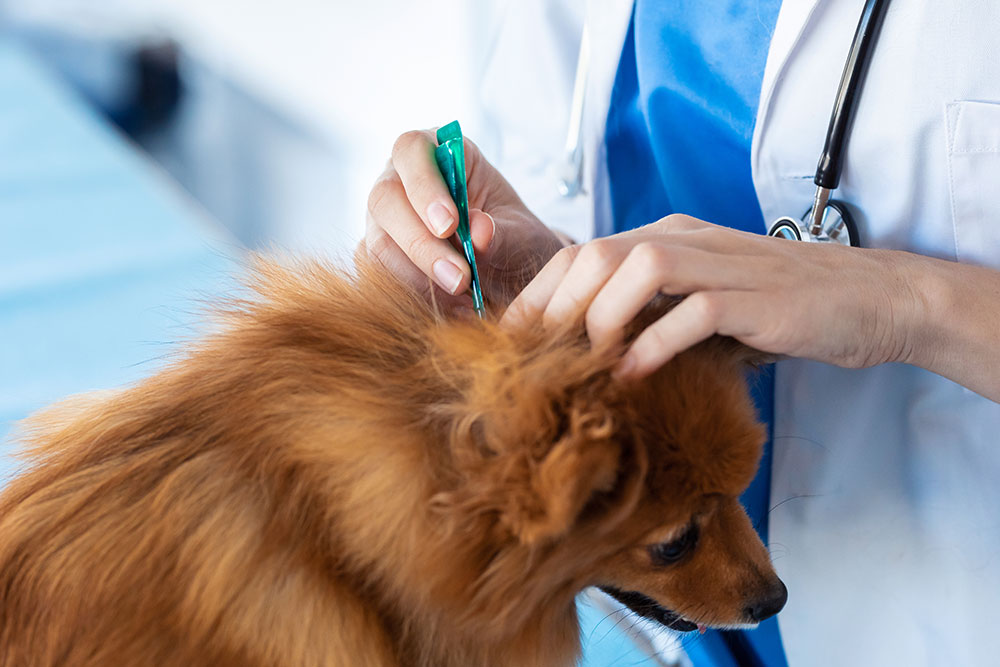
How Peak City Veterinary Hospital Can Help
We help pet parents choose parasite prevention based on:
- Your pet’s age and weight
- Lifestyle and exposure risk
- Local parasite trends
Our Final Thoughts
Flea and tick prevention isn’t optional—it’s essential. Year‑round protection keeps your pet comfortable, healthy, and safe.
Contact Peak City Veterinary Hospital to make sure your pet is fully protected.






Leave A Comment