

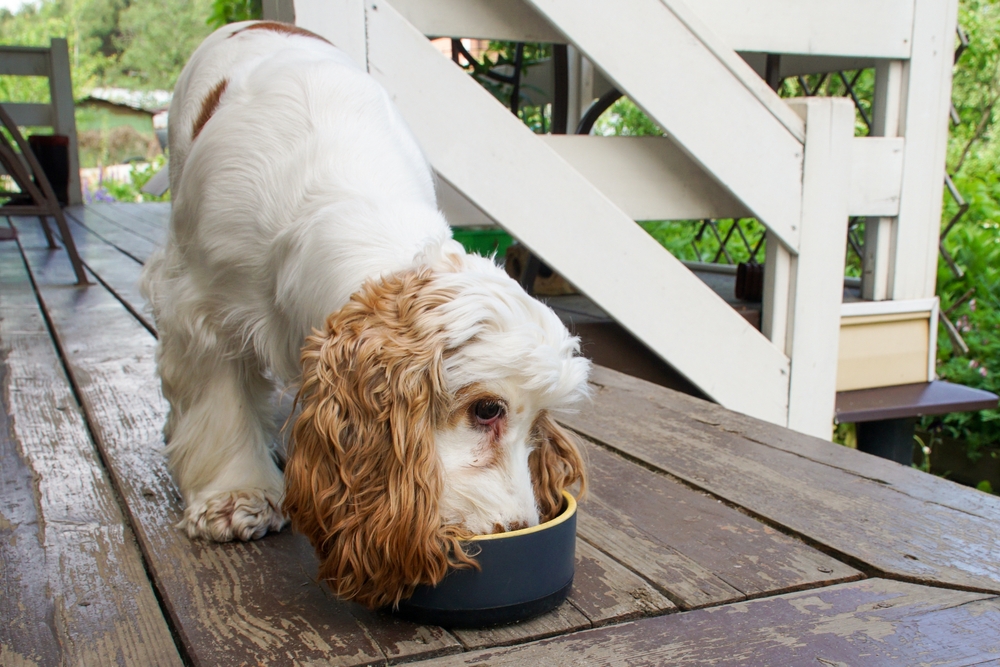
Over the past several years, grain‑free dog foods have become very popular, largely due to marketing trends rather than medical necessity. Many pet owners choose these diets believing they are healthier or more “natural.” However, research and clinical experience have shown that grain‑free diets are not always beneficial—and in some cases may be harmful to dogs.
Understanding the facts—and the risks—can help you make safe, informed nutrition choices for your pet.
A Note From Our Doctors
At Peak City Veterinary Hospital, nutrition is one of the most common topics we discuss with pet parents. We know everyone wants to do what’s best for their dog, and food choices often come from a place of love.
Our goal is to help separate nutrition facts from marketing trends. When it comes to grain‑free diets, we want you to have clear, evidence‑based information so you can make the healthiest choice for your dog.
With care,
The Doctors and Team at Peak City Veterinary Hospital
What Does “Grain‑Free” Mean?
Grain‑free diets are formulated without common grains such as wheat, corn, rice, or oats. Instead, these foods often rely on ingredients like:
- Peas
- Lentils
- Chickpeas
- Potatoes or sweet potatoes
While these ingredients are not inherently bad, problems can arise when they replace grains as major components of the diet.
Strong Evidence Linking Grain‑Free Diets and Heart Disease
The U.S. Food and Drug Administration (FDA) has identified a concerning link between many grain‑free diets and dilated cardiomyopathy (DCM), a serious and potentially fatal form of heart disease in dogs.
DCM affects the heart’s ability to pump blood effectively and can lead to:
- Lethargy
- Coughing or difficulty breathing
- Collapse
- Heart failure
What is especially concerning is that DCM has been diagnosed in breeds not traditionally prone to heart disease, and a large number of affected dogs were eating grain‑free or boutique diets prior to diagnosis.
Are Grains Bad for Dogs?
For most dogs, grains are not harmful. In fact, grains can be an excellent source of:
- Energy
- Fiber
- Essential nutrients
True grain allergies in dogs are very rare. Most food allergies are related to proteins (such as chicken or beef), not grains.
Unless there is a medically confirmed reason to avoid grains, most dogs do very well on diets that include them.
A Common Nutrition Myth
“Grain‑free diets are healthier and more natural for dogs.”
There is no scientific evidence that grain‑free diets are healthier for the average dog, and growing evidence suggests they may increase the risk of serious heart disease when fed long‑term. In some cases, these diets may actually increase health risks—especially when fed long‑term without medical indication.

How Peak City Veterinary Hospital Can Help
At Peak City Veterinary Hospital, we take a personalized approach to nutrition. Our team can:
- Review your dog’s current diet
- Discuss FDA findings and current research
- Recommend balanced, evidence‑based diets
- Help transition your dog safely to a healthier option if needed
We’re here to answer questions and help you feel confident about what’s in your pet’s bowl.
Our Final Thoughts
Choosing the right diet is one of the most important decisions you make for your dog’s long‑term health— and it’s an area where misinformation can cause real harm. While grain‑free diets may sound appealing, they are not necessary for most dogs and may pose risks.
Give us a call at Peak City Veterinary Hospital to discuss your dog’s nutrition or to schedule a wellness visit. We’re proud to partner with you in keeping your dog healthy, happy, and thriving.





Leave A Comment