


Allergies are a common reason pets feel itchy, uncomfortable, and miserable—sometimes year‑round. Dogs and cats can develop allergies at any age, and symptoms often show up on the skin, ears, or paws rather than as sneezing like we see in people. With the right diagnosis and treatment plan, most pets can find significant relief and get back to feeling like themselves.
A Note From Our Doctors
At Peak City Veterinary Hospital, we know how frustrating allergies can be—for pets and for the families who love them. Chronic itching, ear infections, and skin flare‑ups can take a real toll on quality of life.
Our goal is to identify the underlying cause of your pet’s allergies and create a personalized plan that provides long‑term comfort, not just short‑term fixes. We’re here to partner with you every step of the way.
With care,
The Doctors and Team at Peak City Veterinary Hospital
Common Signs of Allergies in Pets
Allergies don’t always look the same in every pet. Common signs include:
- Itchy skin or excessive scratching
- Licking or chewing paws
- Recurrent ear infections
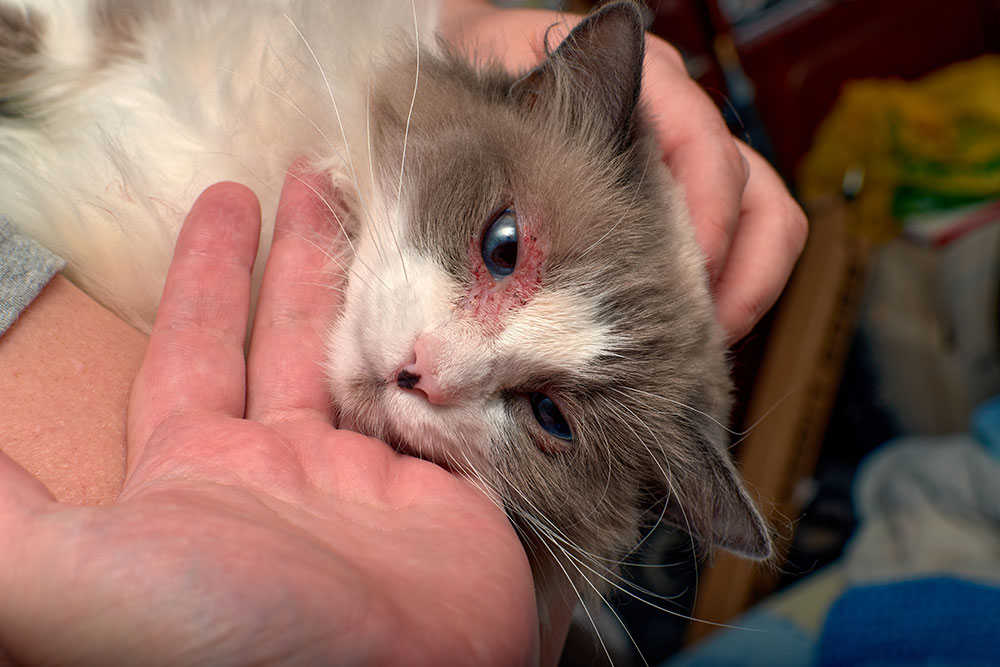
- Red, inflamed skin or rashes
- Hair loss or hot spots
- Scooting or face rubbing
Cats may show allergies by over‑grooming, developing scabs, or hiding more than usual.
Types of Allergies in Dogs and Cats Environmental Allergies (Atopy)
These are caused by things in your pet’s environment, such as:
- Pollen
- Mold
- Dust mites
- Grasses
Environmental allergies are very common in North Carolina and may be seasonal or year‑round.
Food Allergies
Food allergies are less common than environmental allergies and are usually caused by a protein source (such as chicken, beef, or dairy), not grains. Symptoms often include itching, ear infections, and sometimes gastrointestinal upset.
Flea Allergy Dermatitis
Some pets are extremely sensitive to flea saliva. Even one flea bite can trigger intense itching and skin inflammation. Year‑round flea prevention is essential.
A Common Allergy Myth
“My pet’s itching must be a food allergy.”
While food allergies do occur, most allergic pets actually suffer from environmental allergies. Correct diagnosis is key, as treatment varies depending on the cause.
How Allergies Are Diagnosed
At Peak City Veterinary Hospital, diagnosing allergies often involves:
- A detailed history and physical exam
- Ruling out parasites and infections
- Diet trials for suspected food allergies
- Allergy testing when appropriate
Because allergies can look similar to other skin conditions, proper evaluation is essential for effective treatment.
Treatment Options for Allergies
There is no one‑size‑fits‑all solution. Treatment plans may include:
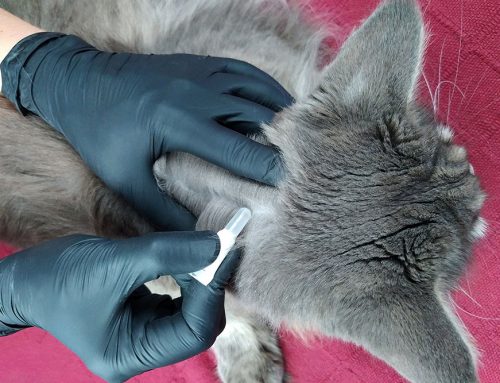
- Prescription medications to control itching and inflammation
- Allergy‑specific therapies or immunotherapy
- Treatment of secondary skin or ear infections
- Dietary changes when food allergies are confirmed
- Strict flea prevention
Our focus is always on safe, long‑term management and improving your pet’s comfort.
How Peak City Veterinary Hospital Can Help
We take a comprehensive, compassionate approach to allergy care, offering:
- Thorough skin and ear evaluations
- Customized allergy treatment plans
- Ongoing monitoring and adjustments
- Education to help you manage flare‑ups at home
We’ll work with you to find the right balance of treatment and prevention for your pet.
Our Final Thoughts
Allergies can be frustrating, but your pet doesn’t have to suffer. With proper diagnosis and consistent care, most dogs and cats can live happy, comfortable lives—even with allergies.
Give us a call at Peak City Veterinary Hospital to schedule an appointment if your pet is showing signs of allergies. We’re proud to partner with you in keeping your pet comfortable, healthy, and itch‑free.






Leave A Comment